ShareThis

This website is an online environmental resource for kids to find ideas, information, and inspiration to go green.

Join My Mailing List!


Well said...

"If I had influence with the good fairy who is supposed to preside over the christening of all children, I should ask that her gift to each child in the world be a sense of wonder so indestructible that it would last throughout life." Rachel Carson


Visit My Shop

Redwoods by Jason Chin

“Stunning... inventive... eye-opening...”
-Kirkus Reviews

REDWOODS
by Jason Chin

RedwoodsBook.com

email me for advertising rates

Tuesday, September 1, 2009

Into the woods


As summer draws to a close, both parents and kids alike mourn the end of long days full of play and free of schedules. This shift from carefree summer days to school days has become even more distressing, as research shows that kids spend more time inside now than ever before. This detachment from the outdoors is causing what Richard Louv coined in his book, Last Child in the Woods, as "nature deficit disorder," resulting in a wide range of behavioral problems such as anxiety, attention deficit disorders and depression. Childhood obesity is also shockingly on the rise, and is in no doubt a direct correlation.

So what is causing this great indoor migration? For one, parent's growing fear of "stranger danger", fueled by the media, keeps kids under constant supervision, not allowing for the spontaneous, unstructured play outdoors that experts say is so vital to childhood development. Secondly, the increased lure of gadgets, computers and television is often too enticing for kids to resist. And finally, a loss of natural surroundings in our neighborhoods and cities has forced many children indoors.

With some guidance and encouragement, your kids can find their way back to nature. There are several great resources for kids on the web on where to go, what to do and what to see in outdoors.

The US Forest Service has created a website that encourages kids to "discover themselves" in nature. Kids visiting the site can search for places to bike, swim, fish, hike and go camping in their area. They can also discover some cool tricks to use in the great outdoors, like how to use a compass or track animals. Visit discovertheforest.org

The National Wildlife Federation has a great site for families that encourages children to spend one Green Hour outside a day. That's not asking much, considering the average American child spends 44 hours a week with electronic media. The site provides great tips and activities to do with kids during their "green hour." Visit greenhour.org


Discover the Forest

Wednesday, August 26, 2009

Green your seafood

We often think of fish as being a healthy choice, but quite a lot of seafood is neither good for you, nor good for the environment. Fish can contain chemicals such as Mercury and PCB's (ick!) which are very toxic for your health. And while eating some fish can be a healthy part of your diet, one should consider the environmental impact. Seafood is often overfished, causing extensive habitat damage that can negatively effect the entire food chain. Some fish come from farms with widespread pollution and disease. Luckily scientists have done the research for us and can guide us in our seafood choices. Check out the Environmental Defense Fund's Seafood Selector to learn what are your best, o.k. and worst choices next time you are at the fish counter.

Friday, August 21, 2009

Spread the word...with pictures

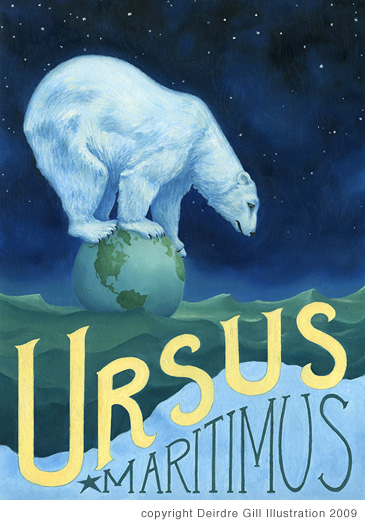
I am always trying to figure out the best way to get out the message about the consequences of global warming. As an artist, sometimes I find that images speak much louder than words. How do you spread the message, especially to people don't seem to care? Do you make pictures, or write poems? Share them with your fellow Green Guide for Kids readers!

Wednesday, August 12, 2009

Take the waste free lunch challenge

kidskonserve
Kids Konserve is challenging schools and kids to go waste-free this upcoming school year. To help you achieve that goal they are offering Green Guide for Kids readers 15% off their products. They have many neat ways to keep your lunch cool, clean and waste-free, such as an insulated lunch made from 100% recycled water bottles, a nesting trio of stainless steel containers, and a no-sweat ice pack that fits perfectly in the bags.

To get 15% off enter the coupon code: greenguide. Valid until 9/30/09.

Monday, August 10, 2009

A new book about being a vegetarian


Ruby Roth's new children's book "That's Why We Don't Eat Animals" tackles some difficult questions and concerns about eating meat. If you or your child are considering becoming a vegetarian or vegan, this book will certainly help to persuade you. It covers some difficult topics without being gory or scary. Visit the book's website to learn more about the book, and the author!

Tuesday, July 7, 2009

John Muir - A Green Pioneer


“Everybody needs beauty as well as bread, places to play in and pray in, where nature may heal and give strength to body and soul.” –John Muir


John Muir (1838-1914), known as “the father of our national parks”, was America’s most famed naturalist and conservationist. As an explorer, he embarked on exciting wilderness adventures from Indiana all the way to Florida, among Alaska’s glaciers and throughout California’s Sierra Nevada. During his journeys he kept nature journals in which he wrote about the beauty he saw in nature. He drew detailed sketches of plants, animals, mountains and landscapes. He used these journals to compose letters, essays, articles and books that taught people, then and now, the importance of experiencing and protecting nature. His writing and activism inspired President Theodore Roosevelt’s bold conservation programs and lead to the creation of Yosemite, Sequoia, Mount Rainier, Petrified Forest and the Grand Canyon National Parks. In 1892, John Muir formed the Sierra Club and was the club’s very first president. The Sierra Club continues John Muir’s work today, teaching people about conserving our natural heritage and establishing new National Parks and a National Wilderness Preservation System.