ShareThis

This website is an online environmental resource for kids to find ideas, information, and inspiration to go green.

Join My Mailing List!


Well said...

"If I had influence with the good fairy who is supposed to preside over the christening of all children, I should ask that her gift to each child in the world be a sense of wonder so indestructible that it would last throughout life." Rachel Carson


Visit My Shop

Redwoods by Jason Chin

“Stunning... inventive... eye-opening...”
-Kirkus Reviews

REDWOODS
by Jason Chin

RedwoodsBook.com

email me for advertising rates
Showing posts with label green home. Show all posts

Sunday, February 28, 2010

Beware the dust bunnies!


Those balls of dust living under your bed aren't just unsightly, they can be toxic, too! Chemicals from around your home and from the outdoors wind up in your indoor dust when they resettle from home products and come in our your shoes and through windows and doors. Dust is made up of all sorts of yucky stuff, like human hair and skin, pet dander, fungal spores, tiny particles and fibers. To make those dust bunnies even grosser, studies have found that 66 different endocrine disrupting compounds have been found in house dust. The worst among these are fire retardants, phthalates, and home use pesticides. EEK!!! Sounds pretty awful right? They are indeed--when you are exposed to toxic chemicals, even low doses, your health can be compromised. This is especially of concern for small children, who often play on the floor and put objects in their mouths. Small amounts of PBDE's (fire retardant) can cause damage to the reproductive system, deficits in motor skills, learning, memory and hearing as well as behavioral changes.

So where do these toxic chemicals come from and how do the end up in a dust ball under your furniture? Products such as furniture, electronics, shoes, plastics, fabrics and food shed chemicals over time. Outdoor pollutants travel inside on your shoes or through a cracked window.

What you can do:

-Vacuum regularly with a vacuum that has a HEPA filter to trap small particles. Don't forget to vacuum upholstered furniture and under those couch cushions!

-Wet mop uncarpeted floors regularly.

-Buy wooden furniture or furniture filled with cotton, down, wool or polyester as it is less likely to contain PBDE's.

-Wipe furniture with a microfiber cloth or a wet cotton cloth to get those tiny particles. Skip the sprays and wipes, they only add more chemicals to your home.

-Keep electronic equipment dust free by wiping with a damp cloth.

-Change the filters frequently on your forced air heating or cooling system.

For more information on toxic dust and how to protect yourself and your family from other toxins, visit the Environmental Working Group website.

Thursday, December 10, 2009

Oh, Christmas Tree!

Over at the Little Green Blog we are discussing green Christmas trees! And by green I mean eco-green!

"Nothing says Christmas like a beautiful tree covered in chemicals, right? Wrong! Sadly, many trees, that timeless symbol of Christmas, are dangerous to your child’s health." read more

Wednesday, December 2, 2009

Ottawa's Greening With Green Bins


I have always been proud that my neighborhood of Park Slope Brooklyn, is considered the greenest neighborhood in New York City. But one thing it lacks, and all of NYC in general, is municipal composting. Many cities across the country and world have starting composting city wide. Compost is picked up along with the regular trash by the city. Composting is a powerful tool in fighting global warming, as it prevents the creation of methane in landfills. Methane is a greenhouse gas that is 21 times more potent than CO2 and is responsible for almost half the global warming impacting our climate today. Click here to read about more ways you can prevent methane from hurting the planet and here to learn more about composting.

When I learned that Ottowa, Canada is launching a municipal composting this winter, I have to admit, I was jealous! The city is handing out green bins for composting organic matter. Not only are they doing a great thing to reduce trash, prevent methane, and create wonderful nutrient rich soil, they are also trying to make it fun for residents to learn about how to compost correctly. Take the Green Bin challenge and see how you score against other composters in this fun game. Then learn how to make a liner for your recycling bin out of old newspapers!

Tuesday, October 13, 2009

10 little things...

The Audubon Society has composed a great list called "10 Things You Might Not Know About The Food You Eat." To see more 10 Things lists, visit Audubon.org.
  1. The average fruit or vegetable we eat has traveled 1,500 miles to reach the table.
  2. About 40% of our fruit is imported from outside the United States.
  3. The vast majority - around 80 percent - of the energy used by the food industry goes toprocessing, packaging, transporting, storing, and preparing food.
  4. Domestic food transport creates 120 million tonsof CO2 emissions annually.
  5. Fresh peas can be produced with only 40% of the energy required for frozen peas.
  6. Children who eat conventional diets are shown to have six times the amount of pesticides in their bodies as children who eat organic diets.
  7. The world's fish species, more than 70% of which are overfished, could be replenished throughsustainable seafood management.
  8. Many farms offer weekly or monthly subscription baskets of fresh produce, flowers, fruits, eggs, meat, milk and other locally-grown and organic products.
  9. New York City's venerable Greenmarket helps preserve over 30,000 acres of working farmland.
  10. Organic crops contain significantly higher levels of vitamin C, iron, magnesium and phosphorous than conventional fruits and vegetables.

Wednesday, May 27, 2009

White is the new green

Photo Courtesy of the Pennsylvania State Archives

Have you ever touched a black car that's been parked in the sun? Hot tamale! Dark colors like black absorb heat while light colors like white reflect heat. That's one reason why apartment buildings with black tar roofs heat up like an oven in the summer. That's also why you can cook an egg on pavement on a scorching hot day. As people replace heat reflecting and carbon storing forests, streams, and valleys with heat absorbing and carbon producing cities, roads, and strip malls, the Earth gets warmer and warmer. One way to help counter the problem is to paint flat black rooftops white, which is exactly what President Obama is encouraging us all to do. White roofs are a double benefit. They reflect heat away from the surface of the planet and help keep buildings cool and therefore reduce energy use from air conditioning.

President Obama is even taking this idea to the street. He is encouraging painting cars in light or cool colors to make them more fuel efficient by reducing the need to turn on the air conditioner. Pavement will also be made a cooler color, so we'll have to stick to frying our eggs in a pan.

If your family owns your home, encourage your parents to go white. If you are like many city kids who live in a building with many families, talk to the building owner about going white to go green.

Wednesday, May 13, 2009

I uses to wear WHAT???


I don't know about you, but I feel like throwing a tantrum every spring as I pull out the clothes I wore last summer and try to cram my winter clothes back into boxes to store under the bed. So what's a person to do? Throw those unwanted clothes away? No Way! You can swap them, sell them or donate them. Chances are someone will want to wear your hot pink jean jacket! 

To learn about swapping your clothes, check out these great websites:


Or hold  your own swap meet and trade clothes with your friends!

Here are some websites to sell your clothes (if you are a kid...don't forget to ask mom and dad!)


You can always donate your clothes to those in need:


And for those items of clothing that are beyond salvage, you can recycle them. Some farmers markets collect textiles for recycling.

Happy cleaning!

Thursday, October 9, 2008

Green it yourself video: reed placemat

Here's a fun project for those with nimble fingers! Try making a placemat, table runner, wall hanging or even a cool "twig man" halloween costume using reeds or twigs from your yard. Click on the link below to learn how.

green it yourself video: reed placemat

Posted using ShareThis

Tuesday, April 29, 2008

What About Water?


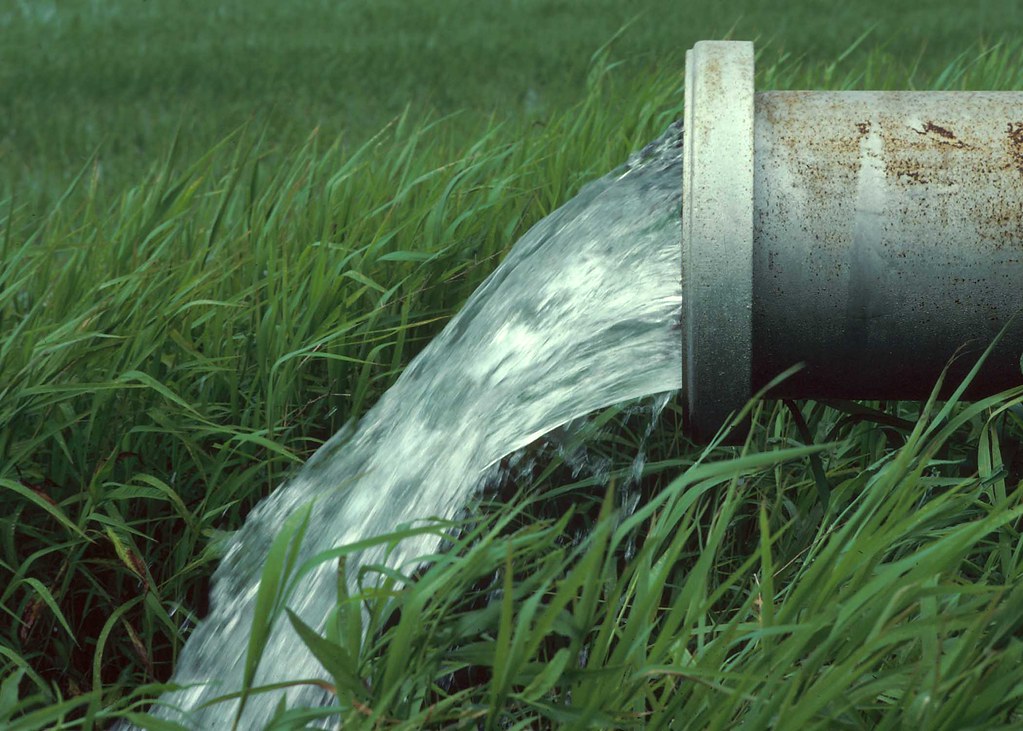
80% of the Earth is covered with water, yet only 3% of it is fresh water, and less than 1% of all water is ok for human consumption. The rest of the water is salty ocean water, or fresh water that is frozen in a glacier. And of that tiny 1% of fresh water that we can use, an even tinier amount is used as drinking water. There are many places in the world that are reaching the limits of their water supplies. As populations rise, and the climate gets warmer, more and more people will not have access to fresh water. In fact, it is predicted that 2 out of every 3 people with suffer from water shortages in the next few decades.

Here’s what you can do:


Did you know that every time you flush the toilet, it uses five to seven gallons of water? That means that in a year you will flush about 13,000 gallons of fresh water down the toilet! Luckily there is an easy solution if your home does not already have ultra–low flush toilets. Find a small plastic juice or water bottle, soak off the label, fill the bottle with water and close the cap tightly. Place the bottle in the tank of the toilet, making sure to position so that it won’t get in the way of the flushing mechanism. This is called displacement. The bottle will fill part of the space in the tank that water would normally fill. You will save 1 to 2 gallons every time you flush! Try this in all of the toilets in your home, and estimate how many gallons of water your family will save.

Other tips for saving water:


–Turn the water off while brushing your teeth, washing your hands and doing the dishes.
–Take shorter showers. See if you can get your shower time down to less than 5 minutes.
–If you help out with the dishes, fill the sink or a tub with hot water to wash the dishes in. Rinse the clean dishes in another tub of hot water or rinse them all under the faucet at once to reduce the time that the water is running. Make sure to only run the dishwasher when it is full.
–The same applies to laundry, only run your washing machine when you have a full load.
–Water your lawn and plants in the morning or evening. Water evaporates 4 to 8 times faster during the heat of the day. Use a watering can instead of a hose.

How much water does it take to...


-Take a shower or bath…17 to 24 gallons
-Brush my teeth…2 to 5 gallons
-Wash the car…50 gallons
-Use the dishwasher…8 to 15 gallons
-Run the washing machine 35 to 50 gallons for each load
-Watering the lawn with a sprinkler…210 gallons per hour

Tuesday, March 11, 2008

Container Gardening


Lacking space or a yard to plant a garden? No problem! Start a container garden in a flowerbox or a large flowerpot.

Here’s what you do:

1) Get one or more containers with drainage holes, making sure that the container size is big enough for the type of veggies you want to grow.
2) To help with drainage, place a layer of pebbles or gravel in the bottom of each container.
3) Make a planting mix by combining potting soil and compost and fill the containers almost to the top.
4) Follow the instructions on the seed packet and sow in your seeds. Thin out your seedlings as they grow.
5) Water your garden when it feels dry.
6) Harvest and enjoy!

Tuesday, March 4, 2008

Spring is in the air


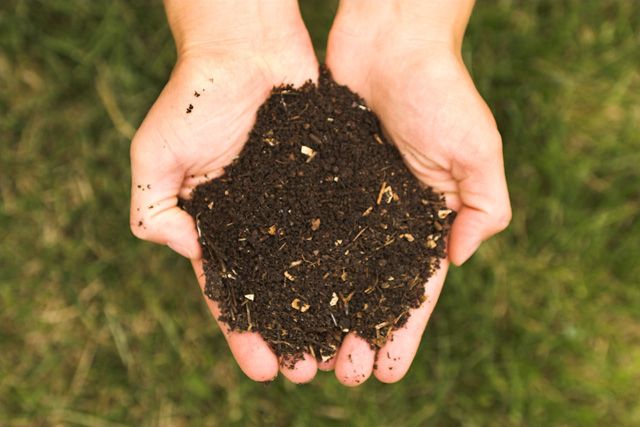
This week at the Green Guide for Kids we will be talking about gardening. Spring is right around the corner (yeah!) it's a great time to think about planning a garden. First things first, you'll need some nutrient rich soil. Compost tackles so many concerns at once, from organic fertilizer to reducing your household waste. Here's a little background info to get you started:

Dirt, Glorious Dirt

Next to your brother’s shoes, there is nothing stinkier in your house than your garbage can. The reason that garbage smells so bad is also the same reason that cow manure stinks, and why landfills are such a danger to our climate. What you smell is methane, that dangerous greenhouse gas we talked about. Methane gas is the by–product of anaerobic bacteria slowly breaking down the garbage. Because the garbage in landfills is compacted together, only Anaerobic bacteria (meaning without air) can survive. Aerobic bacteria (meaning with air) thrive in compost heaps where there is plenty of oxygen. In fact, millions of microscopic organisms set up camp in a compost piles, quickly devouring and recycling its contents to produce a rich organic fertilizer known as humus. This process does not produce methane and therefore should not stink. That is, unless, your brother decides to compost his socks.

You can cook up your own compost pile in your own yard by following this easy recipe. Here’s what you do:
The ingredients:

Green plant matter: fresh plant material such as weeds, grass clippings, fruit and vegetable scraps, tea bags, coffee grounds and filters.

Brown plant matter: dried plant matter such as fallen leaves, branches, straw, cornstalks, newspaper and sawdust.

Air: remember that those aerobic bacteria need oxygen.

Water: they also need water. Keep your compost moist like a wrung out sponge.

Directions:
1) Choose a place in your yard that is level and approximately 3x3 feet.
2) Put down the brown and green matter.
3) Cover the pile with an inch of soil and mix well.
4) Turn the pile every week to let air in. Keep the pile moist.
5) Stand back and let the chemistry happen! In 10-12 weeks you’ll have a nice pile of cooked organic soil.

Did you know?
—The average household produces more than 200 pounds of kitchen waste every year.
—The U.S. Environmental Protection Agency cites landfills as the single largest source of methane emissions to the atmosphere.

Monday, February 18, 2008

Eco Moms in the NYTimes


Here's an interesting article from the New York Times about EcoMoms, a new movement of mothers across the country who are striving to create a healthier home and planet for their children. The article links to two great blog,Eco Chick and Green & Clean Mom. Their blogs have great resources for moms!

Wednesday, January 30, 2008

Focus the Nation Webcasts


Here's a great webcast about one organization's, Architecture 2030, idea to put a stop to global warming.

Tomorrow, Thursday January 31st, is Focus the Nation. You can log on to earthdaytv.net to watch their interactive webcast called The 2% SOLUTION. Join in with others for a discussion of global warming solutions.

Wednesday, January 23, 2008

The 3 R’s: Reduce, Reuse, Recycle

racoon
We’ve all heard this catchy phrase. The last R, recycling, tends to get all the credit. Reducing and Reusing, however, are even more important. If you can reduce the materials you consume you will not only create less waste, you also won’t need to worry about what to do with all the things that you buy when you are done with them. Reuse is a great way to make the most of the things that you do buy. Once you no longer need or want something, pass it on! One man’s trash is another man’s treasure. Buying or trading vintage, refurbished and used items is a fun way to get cool stuff while preventing pollution and saving the earth’s precious resources.

You can recycle up to 84% of your trash simply by taking it out of the garbage can and putting it in the recycling bin. Items made from recycled materials take far less energy and create only a fraction of the pollution to produce than items made from brand new materials. And of course, imagine the natural resources that are saved!

Here are some great ways to Reduce, Reuse and Recycle:

– Buy only what you need and use all of what you buy.
– Avoid buying things that use excessive packaging and buy in bulk.
– Buy durable things that will last a long time
– When things break, see if they can be fixed before throwing them away.
– Wash and reuse plastic cups, utensils and bags.
– Precycle by buying products whose packaging can be recycled
– And always bring your own bag! If you are just buying a few things just carry them in your hands.
– Complete the cycle and buy products made from recycled materials. When you buy products made from post-consumer recycled materials you are helping to reduce carbon emissions and saving resources.

Did you know?

–If all the other people on the Earth used as much "stuff" as we do in the U.S., there would need to be three to five times more space just to hold and sustain everybody.
– Americans throw away about 40 billion soft drink cans and bottles every year. Placed end to end, they would reach to the moon and back nearly 20 times. Recycling an aluminum soda can saves 96% of the energy used to make a can from ore, and produces 95% less air pollution and 97% less water pollution.
– Every pound of solid waste that goes into a landfill results in 2 lbs of greenhouse gases
– Americans throw away 2.5 million plastic bottles every hour.
– Every glass bottle recycled saves enough energy for a 100 watt light bulb to be lit for 4 hours.
– You’ll save two pounds of carbon for every 20 glass bottles that you recycle.
– Only about one-tenth of all solid garbage in the United States gets recycled.
– The average American creates 56 tons of trash every year.

Here’s Your Mission:

Set up a recycling system at home and at school.

1) Ask your local municipality for recycling guidelines and bins.
2) Set up a place in your home for the recycling bins. The garage or big roll–out kitchen drawers are good places.
3) Make a label for each bin clearly listing what items belong in them.
4) Bring your recycling to the curb on recycling day.

Monday, December 3, 2007

dreaming of a green Christmas....

The Sierra Club has a lot of great tips for making your holidays a little greener. Here are a few I thought I'd share:

BUY ENERGY-SAVING "LED" HOLIDAY LIGHTS
Now you can decorate your house with LED lights that use 90 percent less energy than conventional holiday lights, and can save your family up to $50 on your energy bills during the holiday season! LED lights are available at many major retailers, including Target, CostCo, and Ace Hardware.


GET A PESTICIDE-FREE TREE
Demand is on the rise for Christmas trees that are not covered in chemicals; some growers use 40 different pesticides, as well as chemical colorants. The good news is that there are now a number of tree-farms that sell pesticide-free trees, so ask your local Christmas tree seller, or search for an organic tree farm near you.


DO A "COOL HOME" TOUR WITH OUR ENERGY-SAVING CHECKLIST
Take a pledge this New Years' to reduce your home energy use by buying energy-efficient light bulbs. Installing only 6 compact fluorescent light bulbs will save the average American family $60 per year. You can also use our handy "Cool Homes" checklist to see what easy things you can do in your home to save energy. If there's a fire in your fireplace this Christmas, turn down that thermostat! Lowering the temperature even five degrees can take 10% off your energy bill.


ADD ORGANIC & LOCAL FOODS TO YOUR HOLIDAY FEAST
Support local family farmers who grow sustainable meat and produce. Not only does it taste better, you'll be doing your part for the planet too. Looking for an organic turkey or ham for Christmas dinner? Find out where to get local green products in your neighborhood.

Friday, November 9, 2007

Green your energy


Did you know that you can sign up for clean Green Energy for your home? Most utility companies offer the choice of green energy at the same or comparable cost as traditional energy from polluting sources like coal–fired plants. We signed up for Green Power through our utility company and had no interruption in our service. As an added bonus, some states do not charge sales tax on the delivery portion of your bill. So you might even save money!

Visit green-e.org to find out what services are available in your area.

The chemical conversation continues...


I wanted to follow up the last post about toxic chemicals with the startling results of a new study done to test for toxic chemicals in our bodies. The study tested 35 average Americans from seven states. Each participant was tested for contamination by twenty toxic chemicals from three chemical families: phthalates (THA-lates), bisphenol A, and polybrominated diphenyl ethers (PBDEs). Visit Is It In Us? for more results and information on what you can do.

Here is a NPR interview with Judy Robinson, who works for the Environmental Health Fund, and conducted the study, and Heather Loukmas who was a participant in the study.

Wednesday, November 7, 2007

The real dirt on cleaning products

housework

Everyone hates cleaning…and who can blame us? Not only is it tedious, it is also dangerous for your health and the planet. Most household cleaners are made from petroleum and a variety of toxic chemicals. This may seem like a good excuse for get out of doing your chores, but the toxicity of household cleaning products can irritate your eyes, skin, and lungs and even your central nervous system whether you are the one doing the cleaning or not. And whats more, once these toxins wash down the drain, they contaminate streams and ground water.

Did you know?


–Because of household cleaners and pesticides, the air inside the typical home is 2–5 times—and in extreme cases 100 times—more polluted than the air outside.

–Household chemicals are largely responsible for the more than 7 million accidental poisonings that occur each year, with more than 75% involving children.

-More than 150 chemicals that are found in the home are connected to allergies, birth defects, cancer and psychological disorders.

–If every household replaced one bottle of petroleum–based dishwashing liquid with a vegetable–based product, we would save 82,000 barrels of oil a year–enough to drive a car over 86 million miles!
So here's what you can do:

Concoct your own cleaning products.


You can make your own cleaning products out of a few basic household items. This would make a great gift if you made your own labels with the recipe on the side, especially for Mother’s or Father’s Day.

Step 1: Collect empty spray bottles and glass jars with lids.
Step 2: Get a measuring cup and measuring spoons
Step 3: Follow these easy recipes!

Glass Cleaner
1/4 cup vinegar or 1 Tbsp lemon juice
2+ cups water

Fill a clean spray bottle with water and either white vinegar or lemon juice. After spraying on glass, wipe with a rag or old newspaper.

Furniture Polish
1/2 cup white vinegar
1 teaspoon olive oil

Mix in a jar and apply with a clean rag to dust and polish. Reduce the olive oil if wood looks too oily.

(You can also swap the vinegar for lemon juice, mixing equal parts lemon juice and olive oil.)

All Purpose Cleaner:
1 cup white vinegar
1 cup water

Mix in a sprayer bottle.

Mold Cleanser:
1 part hydrogen peroxide
2 parts water

Mix in a spray bottle. Spray on surface and leave to dry for one hour. Rinse the area off.

On the Spot cleaning formulas:


These recipes for homemade cleaners are best used right away. Some of these fun recipes fizz like science fair volcanoes!

Drains:
Pour 1/2 cup of baking soda down drain, followed by 1 cup of vinegar. When the fizzing stops pour down a kettleful of boiling water.

Tub Scrub:
1/2 cup of baking soda
a little bit of water and lemon juice

Toilet Bowl
Baking soda
White vinegar

To clean and deodorize, sprinkle toilet bowl with baking soda, add white vinegar and scrub with a toilet brush.

Wood Floors
1/4 cup white vinegar
1 gallon warm water

Carpet & Upholstery
Rub a little shaving cream on stains and wipe with sponge

Thursday, August 2, 2007

Artsy reminders for your fridge

frames

Here's a great idea inspired by Real Simple Magazine's article on turning old frames into refridgerator art. If you have any old frames lying around the house--and you probably do--you can make these little friendly reminders with green thinking messages inside.

Here's what you do:

Step 1: Find old frames that are not too heavy.

Step 2: Decorate the frame however you wish. You could paint it, sand it to make it look antique, glue shells on it or cover it with stickers. Be creative!

Step 3: Design your message to go inside the frame. It can say anything that you think is important to remember, like "Turn off the lights!" or just a little reminder to "think green today". Put your message inside the frame.

Step 4: Once the frame is ready, glue old magnets, or new magnet strips, to the back.

Step 5: Put your new message frame on the fridge or somewhere magnetic and you're done. Good job!

Frame_detail