
ShareThis

This website is an online environmental resource for kids to find ideas, information, and inspiration to go green.

Join My Mailing List!


Well said...

"If I had influence with the good fairy who is supposed to preside over the christening of all children, I should ask that her gift to each child in the world be a sense of wonder so indestructible that it would last throughout life." Rachel Carson


Visit My Shop

Redwoods by Jason Chin

“Stunning... inventive... eye-opening...”
-Kirkus Reviews

REDWOODS
by Jason Chin

RedwoodsBook.com

email me for advertising rates
Showing posts with label activities. Show all posts

Thursday, April 22, 2010

Happy Birthday Earth Day and Green Up Day!


Happy Earth Day!! Not only is today is the 40th anniversary of Earth Day, it's also the 40th anniversary of Green Up Day in Vermont. Green Up Day takes place on the first Saturday in May across the state of Vermont. Kids and adults alike gather in their communities to clean up liter. If you have ever visited Vermont, you will notice right away the impact this one day of action has. Not only do the roads, sidewalks, streams and trails get a facelift, but new generations learn the importance of keeping our environment clean. As a kid, I participated in Green Up Day with my classmates every year. I learned the importance not only of putting trash in the garbage can, but also the how important it is to recycle and to reduce the amount of trash we create. While scanning the ground, bushes and ravines for trash, I began to notice how our garbage impacts the habitats of small creatures in my community. Suddenly one day of action turned into a year-long effort to reduce trash, recycle and protect the natural habitats in my town.

If you live in Vermont, you can participate in Green Up Day on Saturday, May 1st. If you live elsewhere in the country or world, why not start your own Green Up Day? All you have to do is gather a friend or two, a parent or teacher and get greening!

Saturday, December 5, 2009

Win a Signed Print!

I have a really exciting contest to announce! The author and illustrator of Redwoods, Jason Chin, has agreed to donate a signed print from his book and you could win it! Entering the contest is easy: just make a picture of something having to do with the environment and email it to me at deirdrekgill@yahoo.com. On January 1st I will choose a picture at random and send the winner the print. Here are the rules:

  1. Make a picture of something having to do with the environment (anything you want, really!)
  2. If you would like to also include a short explanation of what it is, please do.
  3. Any kind of art is acceptable, but no photographs.
  4. In your email DO NOT include your full name--FIRST NAME and LAST INITIAL ONLY!
  5. In your email DO include your address, so that I can mail you your print if you win.
  6. The random drawing will be conducted on January 1st and the print will be mailed out the next day.
  7. All artwork will be displayed on this website after the contest is over.
  8. You must be a kid or young adult to enter this contest...so please do not enter if you are over 18!
GOOD LUCK!!!

Monday, November 9, 2009

Have an Eco-birthday

Green Kid Parties in Atlanta, Georgia host eco-friendly birthday parties where kids do green crafts and munch on organic pizza and drinks. What a great way to have a fun birthday party without all the needless waste and unhealthy food!

Click here for more tips on throwing an eco-party.

Wednesday, November 4, 2009

Going Green with Kids: Top Ten Green Activities and Projects


Here are some of my top 10 favorite green activities and projects I have written about over the years. Have fun!

Club Green: Starting an Environmental Club
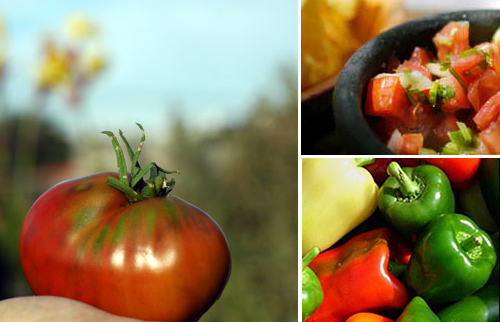
Recipes from the Garden: Delicious recipes from veggies grown right in your backyard
Bug Off, Bugs!: Concocting your very own non-toxic bug spray for plants
Container Gardening: Planting a mini garden
Grow Your Garden: Designing your very own garden
Dirt Glorious Dirt: Composting 101
The Nature Journal: Creating a nature journal from recycle materials
Green Cleaners: The real dirt on cleaning products and how to make your own non toxic versions
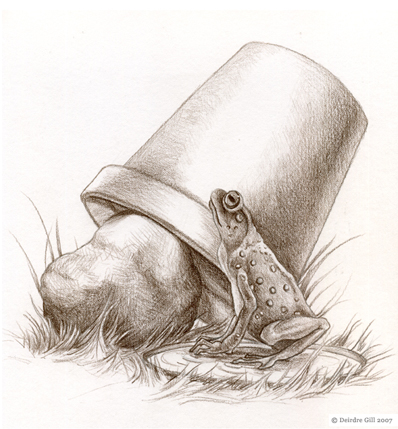
Backyard Habitat: Creating a welcoming home for the creatures in your area

Monday, October 19, 2009

Speak Out Against Climate Change - Oct. 24th!!!


This Saturday, October 24th, tens of thousands of people from 162 countries around the world will make a their voices heard and demand a real commitment from leaders to tackle climate change. The grassroots organization 350.org is organizing this event, in hopes to familiarize the world and our leaders with the number 350. Scientists say that 350 parts per million CO2 in the atmosphere is the safe limit for humanity.

With less than two months until world leaders meet in Copenhagen at the UN to discuss a treaty on climate change, this international day of action comes at a critical time. Experts believe that the proposals on the table will not be enough to stop the worst affects of global warming.

Please join in the movement and add your voice to the millions of others around the world who demand real solutions!

Tuesday, October 13, 2009

Nature Detective


Hey Kids!

Did you know that we share our homes and yards with many creatures…other than your little brother? From tiny spiders to foxes, creatures live all around us, even if we can’t always see them. Sometimes we just have to use our sleuthing skills to find the evidence.

Can you spy any of these signs of wildlife?

-A nest

-A feather

-A spiderweb

-A nibbled leaf

-A shed exoskeleton

-Animal tracks in the snow, dirt or sand

-A burrow entrance

And now, try to spy the things a creatures needs to survive:

-Nuts, seeds and berries

-Pollen for bees

-Tall grasses, brush and trees to hide and nest in

-A source of water

With the evidence you find, can you make up a story about one specific creature’s day?

This post originally appeared on the Little Green Blog.

Tuesday, September 22, 2009

Tck Tck Tck

Join the call for a global climate deal at TckTckTck.org

The clock is counting down to December 7, 2009, when leaders from all over the world will meet in Copenhagen, Denmark for the United Nations Climate Change Conference. You may be thinking, "what's the big deal about this particular conference?" Well according to scientists, the time to act to stop global warming is now. We need to not only slow the increase in greenhouse gases in our atmosphere, but actually being to decrease them by 2015. That's only 6 short years away! Every year since the industrial revolution, our input of greenhouse gases into the atmosphere has increased at a steady rate. If we do not begin to reverse this trend by 2015, the catastrophic course of climate change will already be set in motion.

As of right now, most of our elected leaders are not getting the message that global warming needs their serious attention, and fast. That why we need you! You may not be an elected leader, or even old enough to vote, but you can be a leader on this! Here's what you do:

1) Speak up! Tell your friends, family, school or church community that why this is important to you, and that our future is at stake.

2) Be bold! Call, write or email the elected leaders of your country or state. To search for your country's leader's phone number click here.

3) Call or write to your members of congress. Tell them you want them to take bold action on climate change. Search here for their phone number and address.

4) Visit tcktcktck.org to learn more about the Climate Conference in Copenhagen, and New York City Climate Week, which is a series of events and actions to get the attention of the leaders at the United Nations in town to discuss climate change this week.

5) Sign up to attend or host an event for 350.org's Day of Action on October 24th. More on this event to come!

Tuesday, April 21, 2009

Happy Earth Day!


Join in on the fun and renew your commitment to help protect our planet at an Earth Day event in your community. Visit The Earth Day Network to search for events taking place in your area.

If you'd rather stay close to home, why not pick out a green activity or find a new way to get involved?  (And get your family and friends involved, too!)

Let us know what you are doing for Earth Day!

Friday, September 19, 2008

Club Green


Now that you are a settled in back at school, it's a great time to start an environmental club at your school, place of worship, or in your community. Running a club can take a lot of work though, so make sure to get some help first.

Here’s how you do it:

1. Meet with the principal or leader of your group to discuss your club with them. Let this person know that you have already taken action in your own life to go green and why you think it is important for your school or group to have an environmental club.
2. Get a sponsor or a mentor. A teacher or other adult can help you with some of the responsibilities involved in running a club and speak on your behalf.
3. Recruit members. Spread the word by making announcements, putting up posters, and handing out flyers and inviting classmates to join. Be sure to include a phone number or email address for them to contact you.
4. -Set up an introductory meeting to decide how your club will be run. Discuss what you would like to accomplish. To keep your group focused, pick one goal that you can all work toward accomplishing. Create a task sheet to delegate responsibilities to all members.

Here are a few ideas for projects and activities your club can take on:

–Set up a recycling system in the school cafeteria.
-–Organize an after-school toy swap.
–Plant a small organic garden that will provide fresh vegetables for the school cafeteria.
–Support local wildlife and reduce CO2 in the air by planting trees, shrubs and flowers on school grounds.
–Have a garage sale and give proceeds to you favorite environmental organization or a local pet shelter.
–Organize trips to the local zoo.
–Organize special events like a “Kids Walk to School Day” or “Create No Trash Day”.
–Make posters to educate others about what they can do to leave a greener footprint.

Friday, May 9, 2008

Happy Mother's Day, Mother Earth


Hey kids...did you remember that Mother's Day is Sunday? Well, if you forgot, don't fret. It's not too late to do something for your mom that she'll never forget. All across the country this Mother's Day weekend, Moms and there kids will be coming together in groups to draw or paint a picture of what's most important to them in the face of climate change. This event is being organized by the folks at Sky1. Visit their website to find an event in you area. Or you can really impress your old lady and host an event right in your backyard.

Tuesday, April 29, 2008

What About Water?


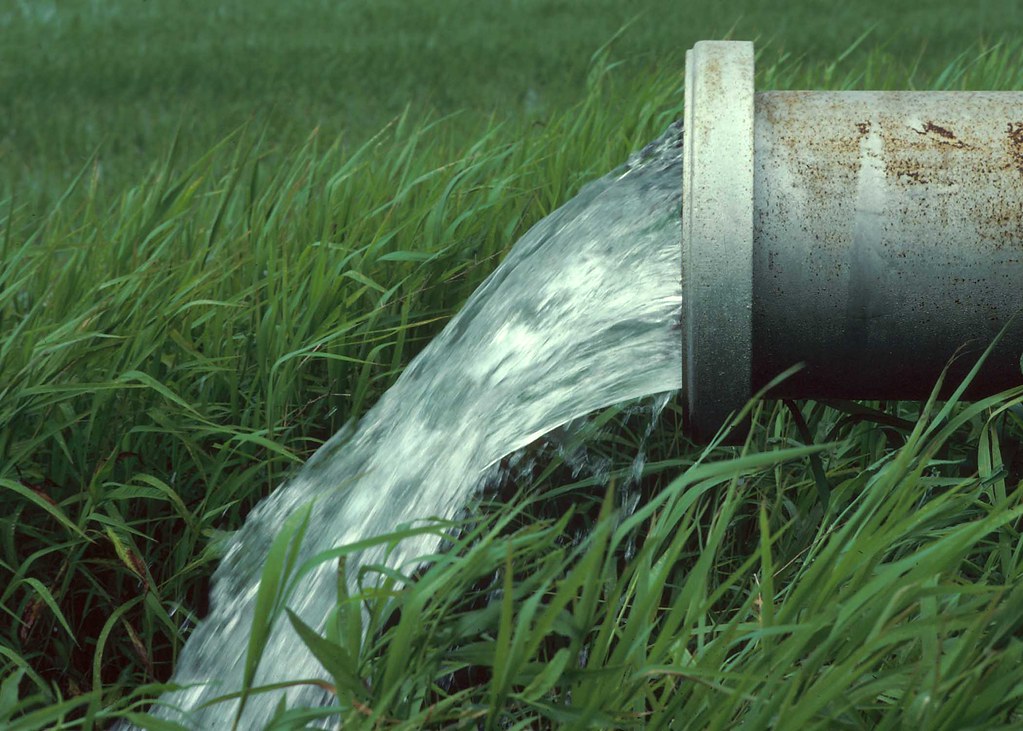
80% of the Earth is covered with water, yet only 3% of it is fresh water, and less than 1% of all water is ok for human consumption. The rest of the water is salty ocean water, or fresh water that is frozen in a glacier. And of that tiny 1% of fresh water that we can use, an even tinier amount is used as drinking water. There are many places in the world that are reaching the limits of their water supplies. As populations rise, and the climate gets warmer, more and more people will not have access to fresh water. In fact, it is predicted that 2 out of every 3 people with suffer from water shortages in the next few decades.

Here’s what you can do:


Did you know that every time you flush the toilet, it uses five to seven gallons of water? That means that in a year you will flush about 13,000 gallons of fresh water down the toilet! Luckily there is an easy solution if your home does not already have ultra–low flush toilets. Find a small plastic juice or water bottle, soak off the label, fill the bottle with water and close the cap tightly. Place the bottle in the tank of the toilet, making sure to position so that it won’t get in the way of the flushing mechanism. This is called displacement. The bottle will fill part of the space in the tank that water would normally fill. You will save 1 to 2 gallons every time you flush! Try this in all of the toilets in your home, and estimate how many gallons of water your family will save.

Other tips for saving water:


–Turn the water off while brushing your teeth, washing your hands and doing the dishes.
–Take shorter showers. See if you can get your shower time down to less than 5 minutes.
–If you help out with the dishes, fill the sink or a tub with hot water to wash the dishes in. Rinse the clean dishes in another tub of hot water or rinse them all under the faucet at once to reduce the time that the water is running. Make sure to only run the dishwasher when it is full.
–The same applies to laundry, only run your washing machine when you have a full load.
–Water your lawn and plants in the morning or evening. Water evaporates 4 to 8 times faster during the heat of the day. Use a watering can instead of a hose.

How much water does it take to...


-Take a shower or bath…17 to 24 gallons
-Brush my teeth…2 to 5 gallons
-Wash the car…50 gallons
-Use the dishwasher…8 to 15 gallons
-Run the washing machine 35 to 50 gallons for each load
-Watering the lawn with a sprinkler…210 gallons per hour

Monday, April 21, 2008

Pillow case tote bags


I just came across this cool project on instructables.com that would be a great activity for Earth Day. Use this tutorial to learn how to make your own tote bags out of old pillow cases. They can be simple or you can embellish them with your own "flare!" And as if you need any reminding, we all need to bring our own bag and say no to plastic as much as possible.

Monday, April 7, 2008

Happy Birthday=Happy Environment


Birthday parties come and go in a whirlwind of shrieking kids, inflated balloons, sugar highs, and greasy pizza. Left in their wakes are piles of plastic cups, forks, and plates topped with barely eaten birthday cake. A dozen new toys means mounds of packaging and wrapping paper will end up in the trash, along with the old toys now being tossed to make room for the new. Why is it that kids birthday parties too often turn into a frenzy of waste? Having a green party can be as easy as pie. Just incorporate all the eco-friendly changes you have made in your home while planning your party.

Here's some tips to keep it green:

-Send out evites instead of regular paper invitations.
-Use real silverware, or reuse plastic ones.
-Use real or biodegradeable plates and cups.
-Use cloth napkins.
-Instead of giving cheap plastic party favors, be more creative and give something that you made, like these homemade crayons, or that will be useful, like pencils.
-Host a party outside and enjoy the day without depending on store–bought games. Go to the beach, the park, the pool or play games like tag and wiffle ball.
-Prevent all the waste involved in receiving gifts. Here's a guide to turning the usually wasteful and over done gift giving aspect of a birthday party into an opportunity to help out one's community.

Here's a video with some more earth–friendly party tips:


How To Host A Green Event

Monday, March 24, 2008

Recipes from the garden


After all that hard work in the garden, you’re probably hungry! Here are some great snacks that you can make using ingredients from your garden.

Salsa Fresca
1/2 medium onion
1 jalapeno stemmed and seeded (less if you don’t want it too hot)
2 cloves of finely minced garlic
4 tomatoes, seeded and coarsely chopped
1/4 cup cilantro or parsley
Juice of 1 lime
Salt and pepper

Coarsely chop onion, jalapeno and cilantro and put in medium bowl. Add remaining ingredients and mix well and serve.

Optional ingredients: basil, corn, black beans, chopped green, red or yellow peppers, green onions, diced zucchini and shredded carrots. Salsa is a recipe that you can experiment with depending on your tastes and what you have in your garden.

Mini Pizzas
1 Tomato chopped
Several leaves of basil chopped
1 Tbsp Olive oil
Salt and pepper
Mozzarella or parmesan cheese
Several slices of toasted bread

Combine chopped tomatoes, basil and olive oil in a bowl. Add a pinch of salt and pepper. Place one spoonful of mixture on each slice of toast. Top with cheese and bake in the oven at 350 degrees until cheese is bubbly.

Tuesday, March 18, 2008

Bug–Off Bugs! Gardening without Pesticides

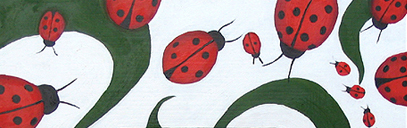
ladybugs
Whether you think bugs are icky or cool, they are total pests when they eat our plants. Most of the food you buy at the supermarket is grown using pesticides to keep bugs at bay. Pesticides are chemicals that kill insects, weeds, rodents, fungi and other creatures. But there are many helpful creatures that we want to keep around because they pollinate flowers, eat the pests that damage crops, help recycle nutrients by eating dead plants and animals, and aerate the soil by digging and burrowing. Pesticides are also very toxic for your health. Luckily there are ways to scare off pests without hurting yourself or the environment.

Here’s what you can do:
–Clear your garden of weeds and dead plants, which are breeding grounds for insects.
–Plant a variety of vegetables and rotate your crops every year. Pests are often attracted to specific plants, so when planting is mixed pests are less likely to spread throughout a crop.
–Water your garden early in the day so that plants are dry for most of the day. Wet foliage encourages insects and fungus.
–Attract beneficial pest–eating bugs to your garden buy planting flowers such as cosmos, sunflowers, sweet alyssum, corn cockle and marigolds. Marigolds also have a strong stench that deters pests.
–Plant an herb garden. Some good pest–warriors are coriander, dill, caraway chervil, fennel, and parsley.

And when all else fails, you can concoct your very own homemade bug spray. Here’s the recipe:
– Mix one tablespoon of liquid dishwashing soap with one cup of vegetable oil.
– When you are ready to spray, combine one or two teaspoons of the mixture with a cup of water in a spray bottle and shake well.
– Spray the infected plants, but be cautious not to spray when the weather is too hot, as vegetable oil can burn plants in hot weather.

Tuesday, March 11, 2008

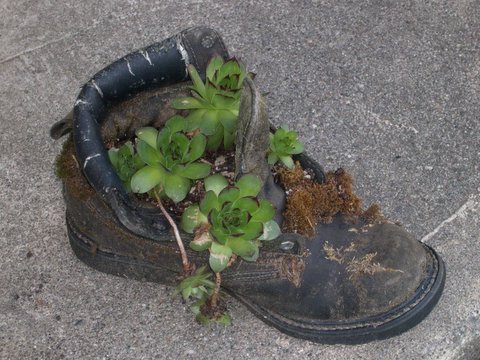
Container Gardening


Lacking space or a yard to plant a garden? No problem! Start a container garden in a flowerbox or a large flowerpot.

Here’s what you do:

1) Get one or more containers with drainage holes, making sure that the container size is big enough for the type of veggies you want to grow.
2) To help with drainage, place a layer of pebbles or gravel in the bottom of each container.
3) Make a planting mix by combining potting soil and compost and fill the containers almost to the top.
4) Follow the instructions on the seed packet and sow in your seeds. Thin out your seedlings as they grow.
5) Water your garden when it feels dry.
6) Harvest and enjoy!

Friday, March 7, 2008

Grow Your Garden


Mud pies aren’t the only delicious dish you can concoct in your backyard. Grow your own garden and you will have an abundance of fresh, organically grown vegetables and fruit right from your back yard.

Gardens need three important things: light, soil, water and space. Find a location for your garden that is flat and sunny. Once you have picked out your plot your ready to go!

You’ll need:

–Seeds, compost, a rake, a hoe, a trowel, and a spade

Here’s what you do:

1) Sketch out a garden design, remember to start small, and leave plenty of room for a path between each row of plants.
2) Dig the earth in your garden plot to loosen the soil. Add compost to enrich the soil.
3) Sow in the seeds following the instructions on the packet. Thin the seedlings when they begin to appear to leave enough room for your vegetable to grow.
4) Water your new garden, and keep it moist.
5) Weed your garden of those pesky, space-–hogging weeds.
6) Harvest your fruit and veggies when they are ready.
7) Eat and enjoy!
No sure what to plant? Here are some combinations of plants that grow well together:
Tomato & basil – basil improves the flavor of tomatoes and keeps away flies and mosquitos
Chives & carrots – chives boosts the flavor and growth of carrots
Cucumber & oregano – oregano keeps cucumber beetles away

Tip: If you live in a northern climate, you might want to get a jumpstart on growing your seedlings. Make your own mini-seed pots using an old Styrofoam egg carton. Cut off the top of the carton and poke holes in the bottom piece for drainage. Fill it with a mixture of compost and potting soil and plant a few seeds in each one. Place the top of the container underneath and water. In a few weeks they be all set to transfer to your big garden!

Tuesday, March 4, 2008

Spring is in the air


This week at the Green Guide for Kids we will be talking about gardening. Spring is right around the corner (yeah!) it's a great time to think about planning a garden. First things first, you'll need some nutrient rich soil. Compost tackles so many concerns at once, from organic fertilizer to reducing your household waste. Here's a little background info to get you started:

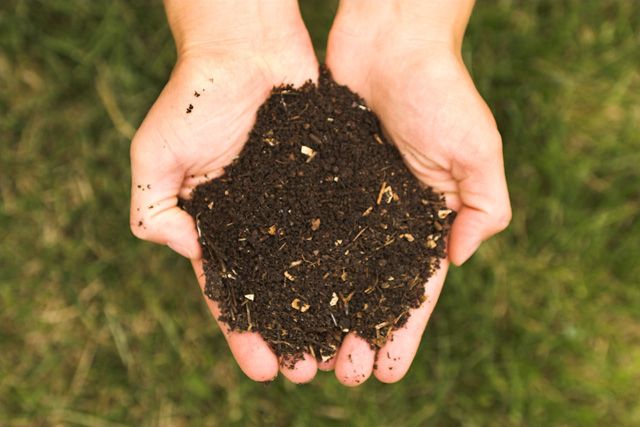
Dirt, Glorious Dirt

Next to your brother’s shoes, there is nothing stinkier in your house than your garbage can. The reason that garbage smells so bad is also the same reason that cow manure stinks, and why landfills are such a danger to our climate. What you smell is methane, that dangerous greenhouse gas we talked about. Methane gas is the by–product of anaerobic bacteria slowly breaking down the garbage. Because the garbage in landfills is compacted together, only Anaerobic bacteria (meaning without air) can survive. Aerobic bacteria (meaning with air) thrive in compost heaps where there is plenty of oxygen. In fact, millions of microscopic organisms set up camp in a compost piles, quickly devouring and recycling its contents to produce a rich organic fertilizer known as humus. This process does not produce methane and therefore should not stink. That is, unless, your brother decides to compost his socks.

You can cook up your own compost pile in your own yard by following this easy recipe. Here’s what you do:
The ingredients:

Green plant matter: fresh plant material such as weeds, grass clippings, fruit and vegetable scraps, tea bags, coffee grounds and filters.

Brown plant matter: dried plant matter such as fallen leaves, branches, straw, cornstalks, newspaper and sawdust.

Air: remember that those aerobic bacteria need oxygen.

Water: they also need water. Keep your compost moist like a wrung out sponge.

Directions:
1) Choose a place in your yard that is level and approximately 3x3 feet.
2) Put down the brown and green matter.
3) Cover the pile with an inch of soil and mix well.
4) Turn the pile every week to let air in. Keep the pile moist.
5) Stand back and let the chemistry happen! In 10-12 weeks you’ll have a nice pile of cooked organic soil.

Did you know?
—The average household produces more than 200 pounds of kitchen waste every year.
—The U.S. Environmental Protection Agency cites landfills as the single largest source of methane emissions to the atmosphere.

Wednesday, February 27, 2008

To Whom It May Concern:

letter_writer
Did you know that not only is it your right but your duty to write to your government representatives? Senators and Congresspeople are elected by the American people to represent their interests when writing and voting on laws. So let them know how you feel about protecting the environment, and that you are holding them accountable for the future of the planet!

Your letter does not have to be long or have big fancy words. Just speak from your heart and let them know how you feel. If you can get your friends and classmates to write letters, all the better!

Here are a few topics you could write about:
Global warming
Renewable, clean energy
Protecting endangered species
Preserving wildlife habitat
Protecting our waterways and oceans
Keeping toxic chemicals out of the air and the products we buy

And don’t be afraid to go straight to the boss:
President George W. Bush
The White House
1600 Pennsylvania Avenue, NW
Washington, DC 20500
Email: president@whitehouse.gov

Friday, February 8, 2008

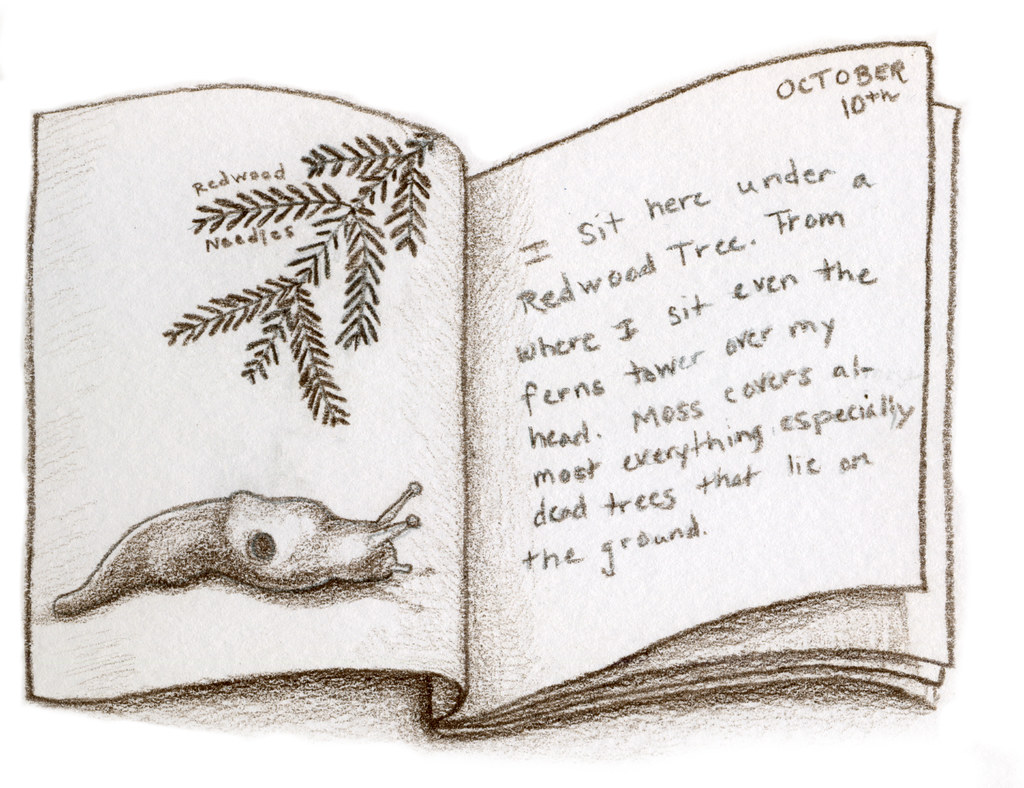
The Nature Journal


A nature journal is a notebook or sketchbook that you record your observations and thoughts in when you are in nature. Find a natural place outside to explore. Sit quietly and let all your senses awaken to the world around you. Imagine that you are experiencing this environment for the first time and record in words and pictures what you see, hear, smell and feel. You can write a poem or describe in detail a single plant. If questions pop into your head write them down, too. Notice the similarities and the differences between things. Imagine how all the living things around you, from the worm deep beneath the ground to the tree that reaches many feet into the sky, are connected. Think about how each one affects you, and how you affect them.

Make your own Nature Journal from recycled items from around the house!

You’ll need:

– Scrap paper that is all the same size
– A piece of colored paper or any paper you would like to use as a cover
– A stick about 7 or 8 inches long
– A rubber band that is long enough to stretch the length of the stick
– A hole punch

1) Place one piece of paper blank side up on top of another piece with the blank side facing down

2) Glue, staple or tape the two pieces together. Repeat this a few more times until you have a nice stack of paper.


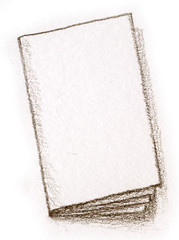
3) Gather all the paper together in a pile with the colored cover piece on top. Fold the papers in half.

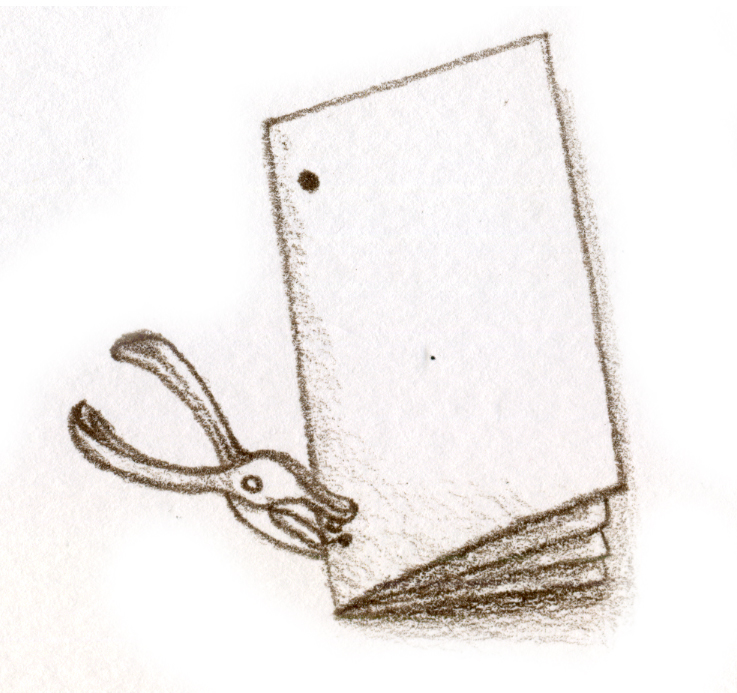
4) Use the hole punch to punch two holes 1/4” from the folded edge and 1 1/2” from the top and bottom.

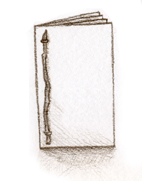
5) Through the back of the book, thread one end of the rubber band through the top hole and insert the stick into the loop.

6) Thread the other end of the rubber band through the bottom hole and insert the stick into the loop.

Tip: You can attach a plastic ziplock bag to the back of your journal to collect things you find while exploring.